
The GBS-iEx series of explosion-proof industrial robots is a member of the CNGBS GBS-Ex family of explosion-proof robots. Developed on the basis of AUBO collaborative robots, it is designed for use in hazardous areas classified as Zone 1, 21, 2, 22, F1 and F2. For industries such as defense and military, aerospace, petrochemicals, grinding and spraying, and energetic-materials production — where flammable and explosive powders, gases or dusts are widespread — CNGBS offers the GBS-iEx series. Built around positive-pressure explosion protection combined with composite protection techniques, it enables industrial robots to operate safely in all kinds of explosive atmospheres, accelerating the automation of these specialized industries and processes.
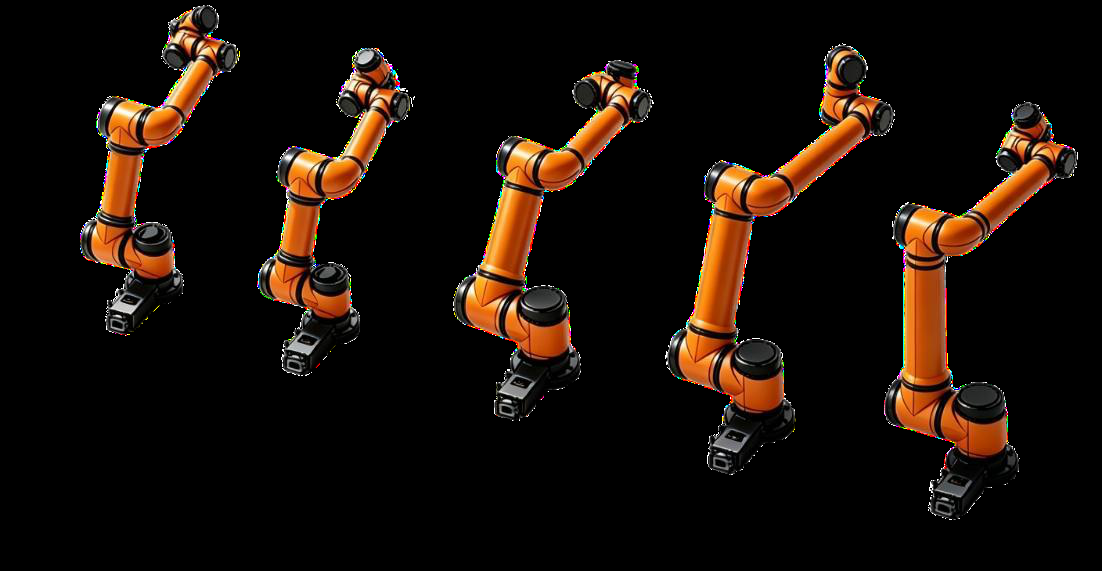
Compact structure, high payload capacity and high repeatability; dual gas and dust explosion protection with a high protection rating for excellent applicability and reliability.
GBS-iEx series explosion-proof collaborative robots — 7 models covering rated payloads from 3 kg to 20 kg.
| Model | GBS-i3-Ex | GBS-i5-Ex | GBS-i7-Ex | GBS-i10-Ex | GBS-i12-Ex | GBS-i16-Ex | GBS-i20-Ex |
|---|---|---|---|---|---|---|---|
| Product name | GBS-iEx series explosion-proof collaborative robots | ||||||
| Ex marking | Ex eb db pxb mb IIC T5 Gb / Ex eb db pxb tb mb IIIC T95℃ Db | ||||||
| Protection class | IP6X | ||||||
| Applicable zones | Zone 1, 21, 2, 22, F1, F2 | ||||||
| Operating temperature | -20℃ to 40℃ | ||||||
| Controlled axes | 6 axes | ||||||
| Air supply | 150–400 L/min, 2–8 bar | ||||||
| Leakage | ≤ 30 L/min | ||||||
| Holding pressure | 250–1000 Pa | ||||||
| Purge time | ≤ 25 min | ||||||
| Protective gas | Dry, clean compressed air or inert gas | ||||||
| Payload | 3 kg | 5 kg | 7 kg | 10 kg | 12 kg | 16 kg | 20 kg |
Applications: defense and military, aerospace, petrochemicals and surface spraying; assembly, material handling, filling, grinding, gluing, spraying and packaging; grain processing, chip/semiconductor processing and pharmaceuticals.
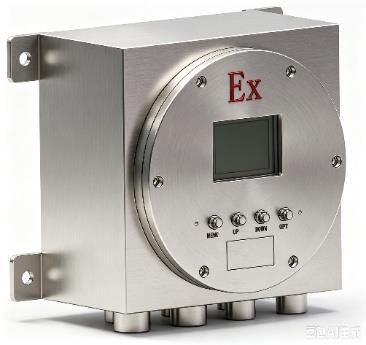
A complete system built from the robot control cabinet, teach pendant and explosion-proof positive-pressure cabinet, integrating the purge control system, pressure-relief unit and purge & compensation system inside.
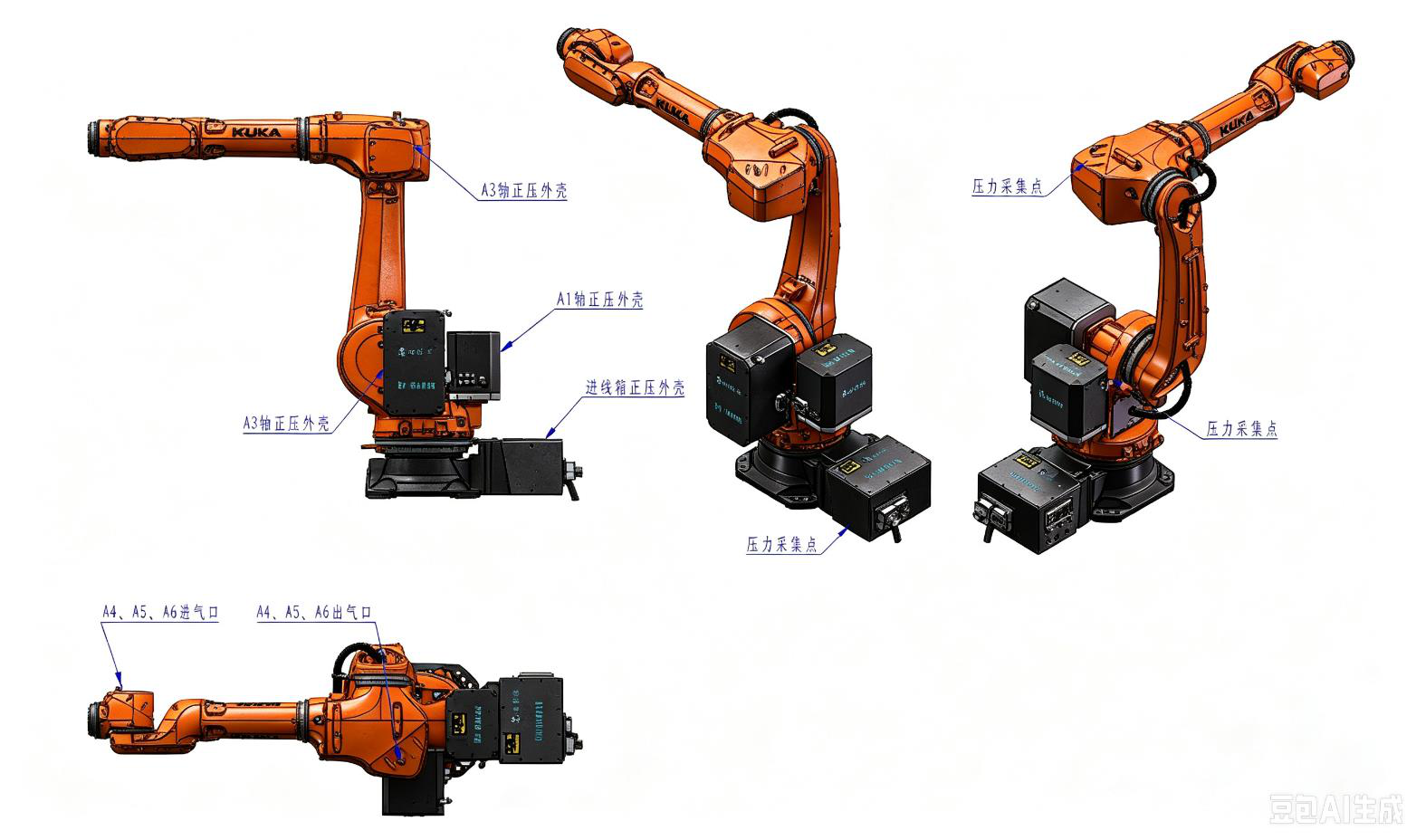
Joint seals, cable-channel seals and housing joint-face seals.
One complete internal positive-pressure environment.
Static-conductive grounding, anti-loosening bolts, color and marking.
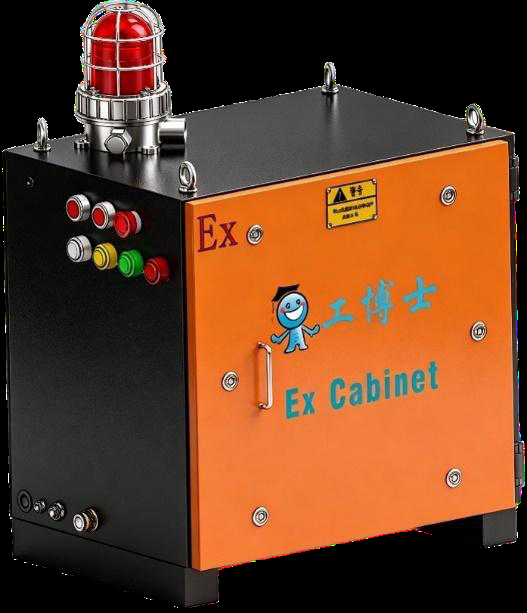
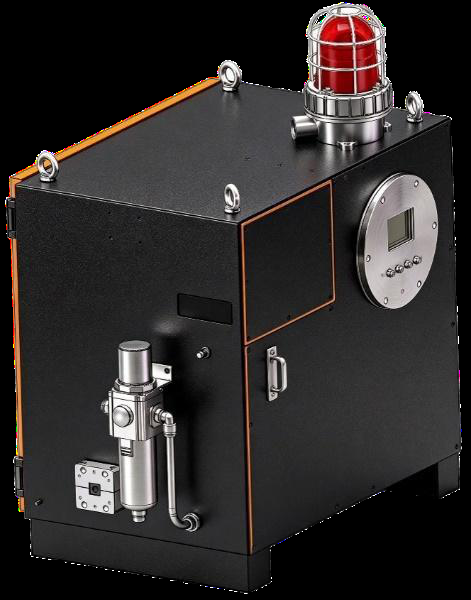
| System Structure | Component | Ex Type | Ex Marking | Applicable Zones |
|---|---|---|---|---|
| Purge Control System | Control system | Flameproof | Ex db IIC T6 Gb Ex tb IIIC T80℃ Db | Zone 1 Zone 21 |
| Pressure-relief unit | / | / | ||
| Purge & compensation system | Increased safety Encapsulated Flameproof | Ex db eb mb IIC T5 Gb Ex db eb mb IIIC T95℃ Db | ||
| GBS-Ex Explosion-Proof Industrial Robot | Positive-pressure cabinet | Pressurized Increased safety | Ex db eb mb pxb IIC T5 Gb Ex db eb mb pxb tb IIIC T95℃ Db | Zone 1 Zone 21 |
| Explosion-proof robot body | Boosted-pressure Increased safety |
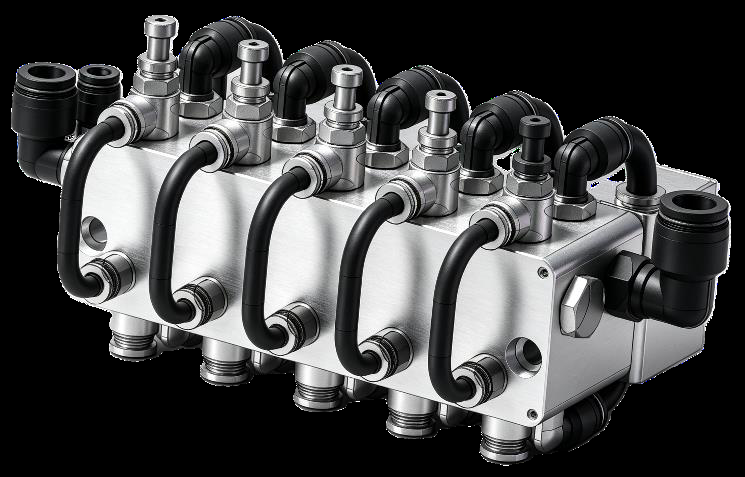
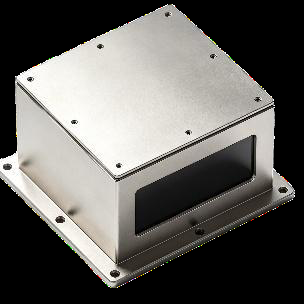
The CNGBS positive-pressure purge system consists of the GBS-C control system, the GBS-Z purge & compensation system and the GBS-X pressure-relief unit.
Key industries with flammable and explosive gas, dust and energetic-material (propellant/explosive) hazards.
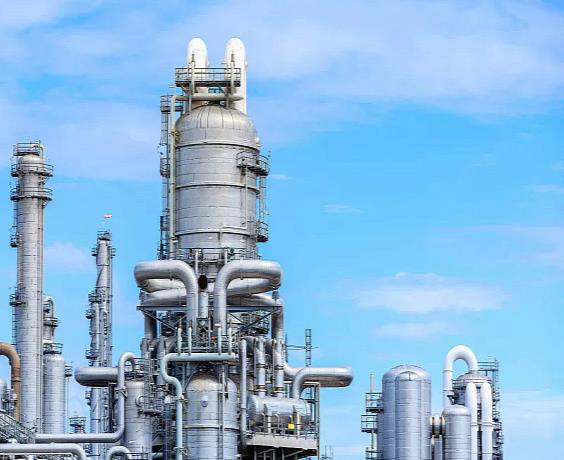
The petrochemical industry involves large amounts of flammable and explosive substances (natural gas, hydrogen, ethanol, etc.); electric sparks or high temperatures from ordinary equipment can easily trigger explosions.
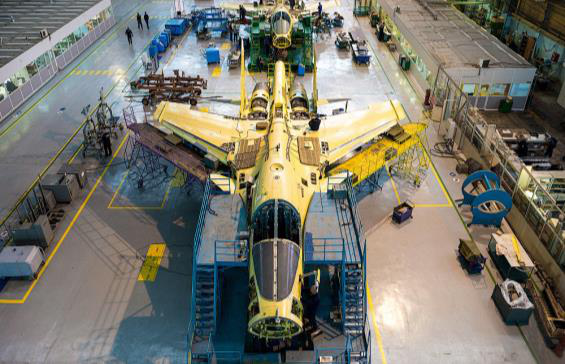
Shipbuilding and aerospace involve fuel-leak risks, maintenance hazards and the safety of hazardous-chemical transport — explosion-protection technology is required to eliminate ignition sources and meet mandatory safety standards.
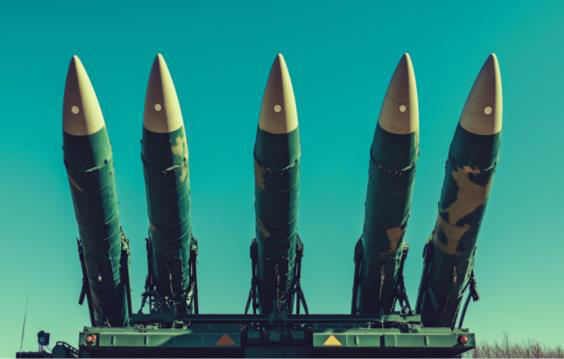
In defense/military and civil-explosives manufacturing, storage and fuel-handling areas, equipment operation and maintenance can generate ignition sources that may easily trigger explosions.

The biomedical industry involves accumulations of combustible dust and volatile solvents; sparks, static electricity or high temperatures from conventional equipment can easily trigger explosions.
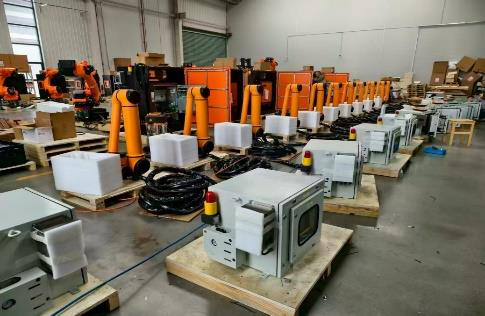
GBS-iEx series explosion-proof collaborative robots on the production site.
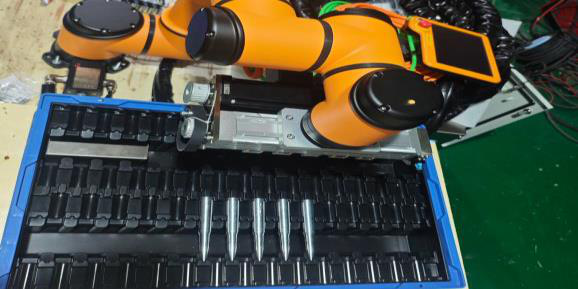
GBS-iEx series explosion-proof collaborative robots in a machining application.
An Ex marking consists of the Ex symbol, type of protection, equipment class, temperature class and Equipment Protection Level (EPL).
Temperature classes: T1 ≤ 450℃ · T2 ≤ 300℃ · T3 ≤ 200℃ · T4 ≤ 135℃ · T5 ≤ 100℃ · T6 ≤ 85℃.
| EPL | Hazardous Atmosphere | Applicable Zones |
|---|---|---|
| Ma | Methane (coal mine) gas | / |
| Mb | / | |
| Ga | Explosive gas atmospheres | Zone 0, 1, 2 |
| Gb | Zone 1, 2 | |
| Gc | Zone 2 | |
| Da | Explosive dust atmospheres Energetic-material (propellant/explosive) atmospheres | Zone 20, 21, 22 Zone F0, F1, F2 |
| Db | Zone 21, 22, F1, F2 | |
| Dc | Zone 22, F2 |
| Zone | Definition |
|---|---|
| Zone 0 | Place where an explosive gas atmosphere is present continuously, frequently or for long periods |
| Zone 1 | Place where an explosive gas atmosphere is likely to occur occasionally in normal operation |
| Zone 2 | Place where an explosive gas atmosphere is not likely in normal operation and, if it occurs, will persist only for a short time |
| Zone 20 | Place where a combustible dust cloud is present continuously, frequently or for long periods |
| Zone 21 | Place where a combustible dust cloud is likely to occur occasionally in normal operation |
| Zone 22 | Place where a combustible dust cloud is not likely in normal operation and, if it occurs, will persist only for a short time |
| Zone F0 | Place where propellants, explosives or their dusts capable of forming an explosion hazard are present continuously or for long periods |
| Zone F1 | Place where propellants, explosives or their dusts capable of forming an explosion hazard may occur in normal operation |
| Zone F2 | Place where propellants, explosives, oxidizers or their dusts may create a fire hazard in normal operation, with an extremely low risk of explosion |